Backyard Wildflower Seeds

A Guide to Creating Vibrant Meadows

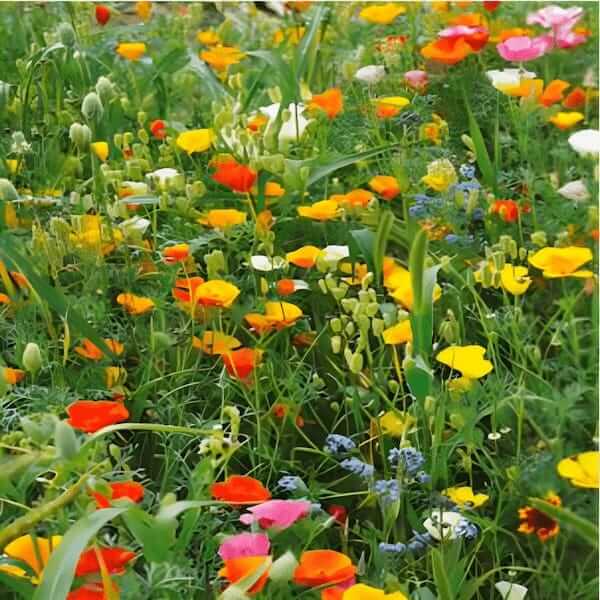
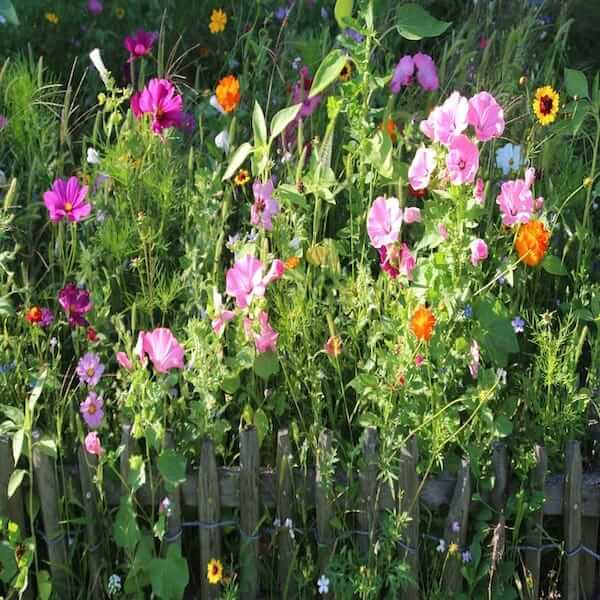
Backyard Wildflower Seeds: To create a vibrant meadow, start by choosing a sunny location, preparing the soil, and planting a mix of native wildflowers and grasses. Manage the meadow through regular mowing, removal of cuttings, and occasional “hay cutting” after flowering. Avoid using fertilizers or pesticides, and consider “resting” the meadow during its flowering season. 

Detailed Steps:

Observation and Adjustments: Observe your meadow and make adjustments as needed based on the plants’ performance and the overall health of the ecosystem.

1. Site Selection and Soil Preparation:

Choose a sunny location with at least 6 hours of sunlight daily.

Prepare the soil by digging it over to a depth of 10-15cm, removing any existing plants and turf.

Create a fine tilth by raking and firming the surface, avoiding the addition of manure or fertilizer which can favor grasses.

2. Planting:

  • Native Seeds: Opt for a mix of native wildflower seeds and grasses appropriate for your region, including species that benefit pollinators.
  • Seed Mixes: Consider using commercially available wildflower seed mixes, or create your own mix based on regional species.
  • Sowing: Sow seeds thinly, ideally in late summer or early spring, and tread them in gently to prevent birds from eating them.
  • Watering: Water the area regularly, especially during dry periods, but avoid overwatering.

3. Meadow Management:

  • Mowing: Mow the meadow after flowering and seed dispersal, usually in late summer or early autumn.
  • Hay Cutting: Consider a late “hay cut” after the flowering season (mid-July) to encourage seed dispersal and prevent nutrient enrichment.
  • Cutting Technique: Use a sharp mower, mowing back to a height of 5-10cm (2-4 inches).
  • Removing Cuttings: Remove cuttings from the meadow to reduce nutrient levels in the soil, which helps wildflowers compete with grasses.
  • “Resting” the Meadow: Allow the meadow to rest during the flowering season (April-July) to allow plants to set seed.
  • Deadheading: Deadhead spent flowers to encourage continuous blooming and prevent self-seeding if desired.

4. Ongoing Maintenance:

  • Weeding: Remove any unwanted plants, especially invasive species, early and regularly.
  • Avoid Pesticides: Avoid using pesticides or herbicides, as they can harm beneficial insects and wildflowers.

Choosing the Right Wildflower Seeds

When selecting wildflower seeds, consider factors like region, soil conditions, and desired lifecycle (annual, perennial, or biennial). Choosing a mix of annuals and perennials can provide a burst of color in the first year while perennials establish themselves. Also, think about your desired maintenance level and color scheme. 

Key Factors to Consider:

  • Region: Choose seeds that are adapted to your climate and soil conditions, including average temperatures, soil type, and moisture levels.
  • Soil pH: Most wildflowers thrive in a slightly acidic to neutral soil pH (6.0-7.0).
  • Lifecycles:
    • Annuals: Bloom in the first year and re-seed themselves.
    • Perennials: Return year after year, usually flowering in their second season and beyond.
    • Biennials: Bloom in their second year after growing foliage and roots in the first.
  • Special-Use Mixes: Some mixes are designed for specific site conditions, such as attracting wildlife, or for specific purposes like wetland areas.
  • Native Species: Choosing native species can benefit local ecosystems and attract pollinators.
  • Maintenance: Some wildflower mixes may require more maintenance than others.
  • Color Scheme: Select seed mixes that match your desired color palette.

Additional Tips:

  • Consider the height of the flowers: Mixes are available for short, medium, and tall wildflowers.
  • Add native grasses: Combining wildflowers with native grasses can create a natural meadow or prairie.
  • Contact experts: Don’t hesitate to ask for advice from experts when choosing the right seed mix.

The first step to creating a flourishing wildflower garden is selecting the right seeds. Consider your location, soil type, and desired bloom time when making your choice. Some popular wildflower seeds include:
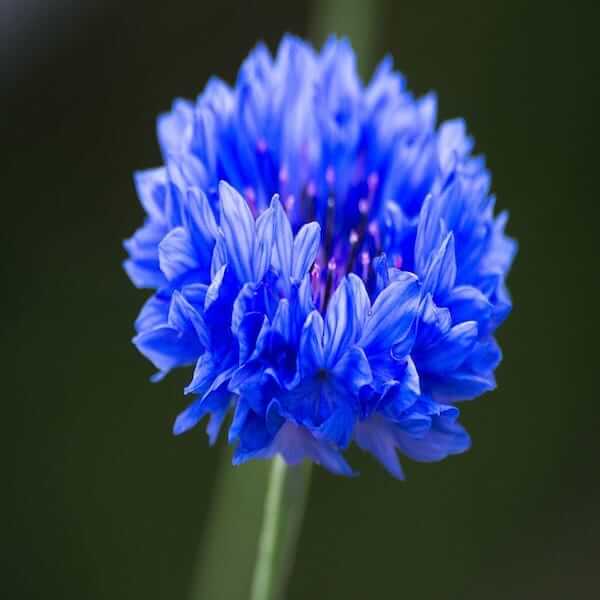
blue cornflower
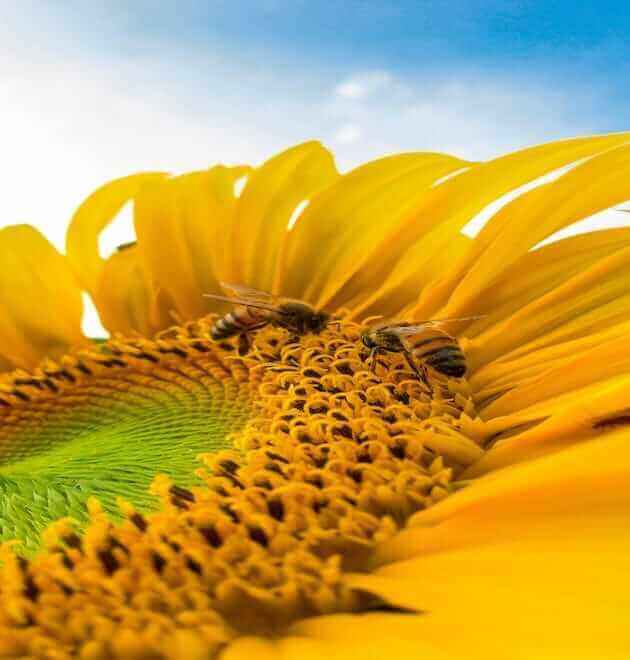
easy-to-grow sunflower seeds
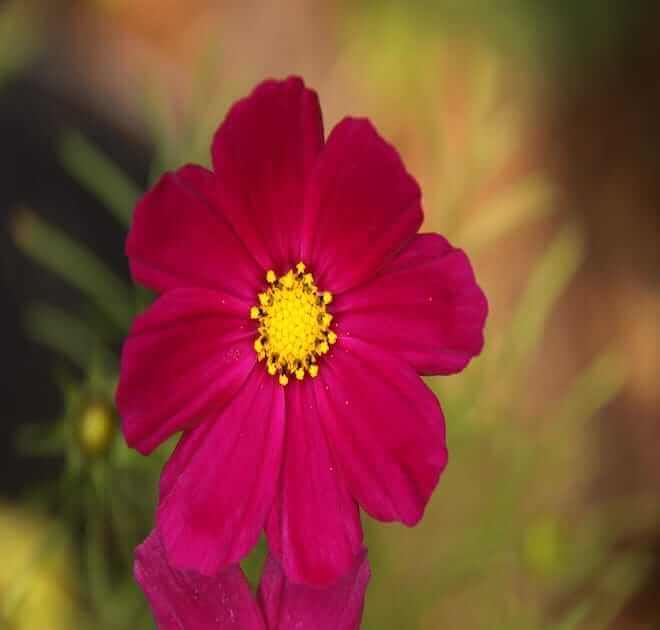
Red Cosmos Flowers
  • Bee balm: Bee balm attracts bees, butterflies, and hummingbirds.
  • Daylily: Daylilies bloom from spring to fall, adding a splash of color to your garden for months.

Preparing the Soil

Preparing soil involves several steps to create a suitable environment for plant growth. These steps include analyzing the soil, clearing weeds and debris, loosening the soil, and adjusting its pH, drainage, and nutrient levels

Here’s a more detailed look at the process:

1. Assess the Soil:

  • Determine the soil type (sand, clay, silt) and its current condition.
  • Test the pH to understand if it’s acidic or alkaline, as some plants prefer specific pH levels.
  • Evaluate drainage and aeration.

2. Clear Weeds and Debris: 

  • Remove weeds, grass, and other debris to prevent competition with plants.
  • Use tools like a garden hoe, spade, or shovel to remove weeds, grass, and rocks.

3. Loosen the Soil:

  • Loosen the soil by tilling or using no-till methods.
  • Aim for a depth of at least 8 inches (12 inches is better) if it’s your first garden, allowing roots to grow deeply.

4. Improve Soil Structure and Nutrients:

  • Add organic matter like compost, manure, or leaf mold to improve soil structure and fertility.
  • Consider using green manure or cover crops to add nutrients and improve soil health.

5. Adjust pH and Drainage:

  • Adjust the pH if needed, using lime for acidic soils or sulfur for alkaline soils.
  • Improve drainage by adding compost or other organic matter.

6. Level the Soil: 

  • Use a rake or hoe to level the soil and create a smooth surface for planting.

7. Consider Mulching: 

  • Mulch the soil surface with organic materials to retain moisture, suppress weeds, and improve soil health.

8. Test the Soil: 

After preparing the soil, consider testing it again to assess the improvements made.

Planting Wildflowers

To successfully plant wildflowers, prepare the soil by removing weeds and debris, then sow the seeds by hand or with a seed spreader, making sure they are lightly covered with soil and have good contact with the ground. Keep the soil moist, and avoid overwatering. Wildflowers typically need sunlight to germinate, so choose a sunny spot and ensure the seeds are not buried too deeply. 

Detailed Steps:

  1. Prepare the soil:Clear the area of weeds, debris, and any existing plants. Rake the soil to create a fine, crumbly seedbed.
  2. Sow the seeds:Mix wildflower seeds with sand or other carrier material for better visibility and even distribution. Sow the seeds by hand, or use a seed spreader for larger areas.
  3. Lightly cover the seeds:Rake the soil lightly to just cover the seeds with a thin layer (about 1 mm). Wildflower seeds need sunlight to germinate, so don’t bury them too deeply.
  4. Compress the seeds:Lightly press the seeds into the soil to ensure good contact with the ground.
  5. Water gently:Water the area lightly with a watering can or fine spray from a hose, taking care not to wash away the seeds.
  6. Maintain moisture:Keep the soil consistently moist until seedlings emerge and are established.

Additional Tips:

  • Maintain the area: Once the wildflowers are established, you may need to cut back the plants or mow paths through the meadow to prevent them from becoming overgrown
  • Choose the right spot: Select a sunny location for optimal germination and growth.
  • Use a seed spreader: For larger areas, a seed spreader can help ensure even distribution of seeds.
  • Mix seeds with sand: This makes it easier to sow seeds evenly and helps to see where you’ve sown them.
  • Protect from birds: If you have birds visiting the area, consider covering the seeds with netting or other deterrents until they have germinated.
  • Consider a seed mix: SeedsAlp offers a variety of wildflower seed mixes suitable for different soil types and conditions.
  • Maintain the area: Once the wildflowers are established, you may need to cut back the plants or mow paths through the meadow to prevent them from becoming overgrown.

Caring for Your Wildflowers

Once your wildflowers have sprouted, water them regularly, especially during dry periods. Wildflowers don’t require much fertilizer, but you can add a balanced fertilizer or compost in the spring to promote healthy growth.
10 Easy-to-Grow Wildflower Seeds

wild flowers seeds for shade - A packet of wildflower seeds for shade, perfect for creating a vibrant garden in partially shaded areas.
best perennial wildflower seeds uk
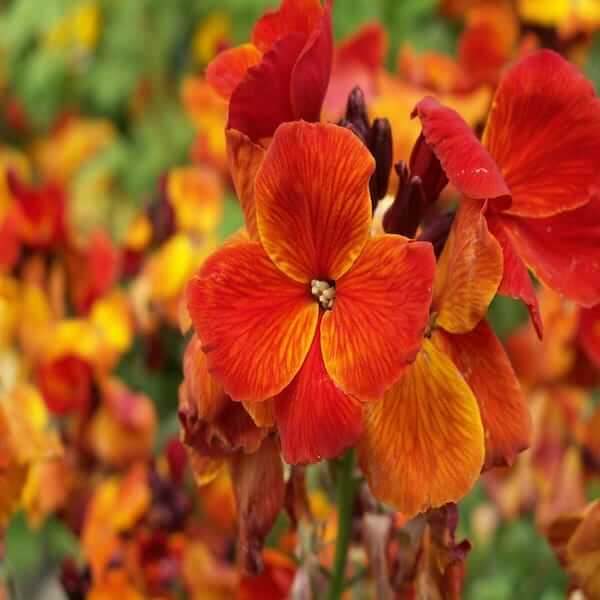
japanese wildflowers Japanese Flower Garden japanese flower seeds
nasturtium seeds
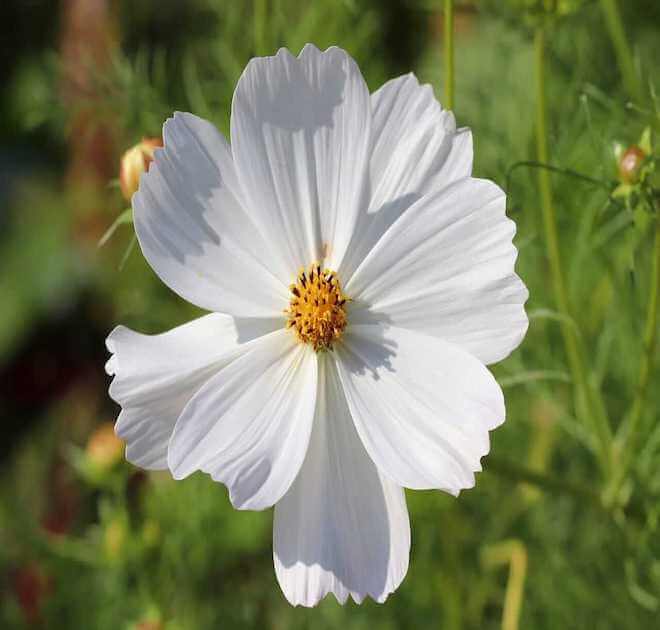
cosmos white seeds
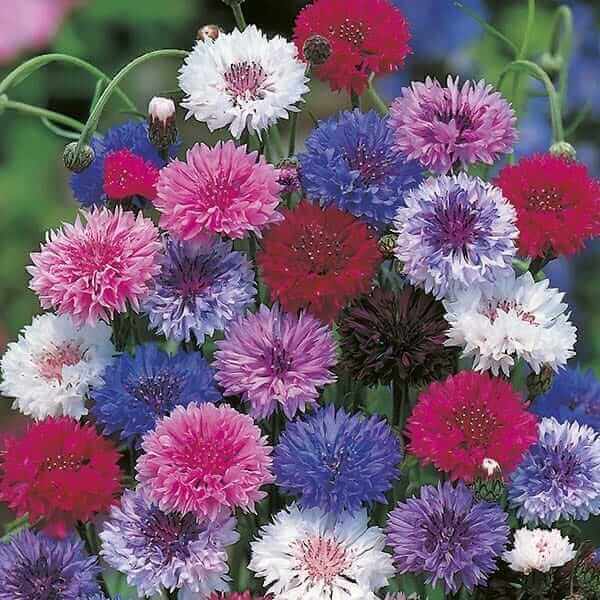
Polka Dot Mixed Cornflower Seeds

When to Sow Wildflower Seeds

Wildflower seeds are best sown in spring (March to April) or early autumn (September). Autumn sowing can be advantageous, especially for lighter soils, as it allows seeds to germinate and establish quickly. However, heavy, clay soils may prefer spring sowing to avoid potential winter waterlogging. 

Elaboration:

Minimal Soil Preparation: Minimal soil preparation is generally sufficient for sowing wildflowers.

Spring Sowing: Spring sowing (March to April) is a common practice, as it allows for early establishment and growth with the first summer blooms.

Autumn Sowing: Autumn sowing (September) can be effective, especially for lighter soils, as seeds can germinate and establish more readily. However, it’s crucial to check the seed packet for specific recommendations, as some seeds may not germinate until the following spring.

Heavy Soil Considerations: If you have heavy, clay soil, it may be better to wait until spring to sow, as winter waterlogging could hinder growth or kill seedlings.

Seed Packet Details: Always check the seed packet for specific sowing instructions, as different wildflower mixes and types may have unique needs.

Sunny Spot: Most wildflowers, especially cornfield annuals, require a sunny location for optimal growth.

Wildflower Seed Sources

Seedsalp online retailers and garden centers offer a wide selection of wildflower seeds. Shop from Seedsalp to find seeds that meet your needs and preferences.

Seedsalp Wildflower Seeds

Seedsalp is a great source for wildflower seeds, offering a wide variety of mixes and individual types. Here are a few popular options:

10kg wildflower seeds bulk
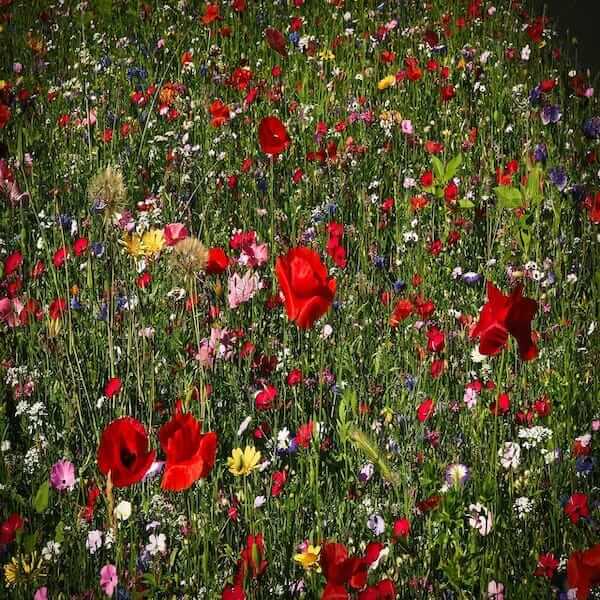
A wildflower meadow with a path winding through it, inviting people to explore and enjoy the beauty of nature.
Bulk Wildflower Seeds

Conclusion Backyard Wildflower Seeds

Planting wildflowers in your backyard offers a multitude of benefits, from attracting pollinators to enhancing biodiversity and creating a beautiful, low-maintenance space. Wildflower seeds are generally easy to grow, requiring minimal care once established, and can add a vibrant pop of color and natural beauty to any garden.

Benefits of Planting Wildflowers:

  • Attract Pollinators: Wildflowers provide nectar and pollen for bees, butterflies & other pollinators, which are essential for plant reproduction and overall ecosystem health.
  • Enhance Biodiversity: Wildflowers support a wider variety of insects, birds, and other wildlife, making your backyard a more diverse and vibrant habitat.
  • Low Maintenance: Once established, wildflowers require less watering and maintenance than traditional lawns or gardens, making them a good choice for busy gardeners.
  • Soil Improvement: Wildflowers can help improve soil structure and fertility, making them a sustainable choice for gardening.
  • Natural Beauty: Wildflowers offer a variety of colors, shapes, and textures, adding a natural and aesthetically pleasing touch to your backyard.

Tips for Success:

  • Choose the Right Seeds: Select wildflower seed mixes appropriate for your region and soil type.
  • Prepare the Soil: Ensure the soil is well-drained and free of weeds before planting.
  • Sow Seeds in the Right Season: Spring or late fall are generally the best times to sow wildflower seeds.
  • Water Sparingly: Once the seeds have germinated, avoid overwatering.
  • Enjoy the Results: With a little planning and effort, you can enjoy a beautiful and thriving wildflower meadow in your backyard.

By planting wildflowers, you can not only beautify your yard but also contribute to the well-being of your local ecosystem and the environment.

Follow SeedsAlp

Leave a Reply