Address
114 Liechtensteinstrasse Vienna - Austria
Work Hours
Everyday: 8AM - 23PM
 Skip to content
 Address
114 Liechtensteinstrasse Vienna - Austria
Work Hours
Everyday: 8AM - 23PM
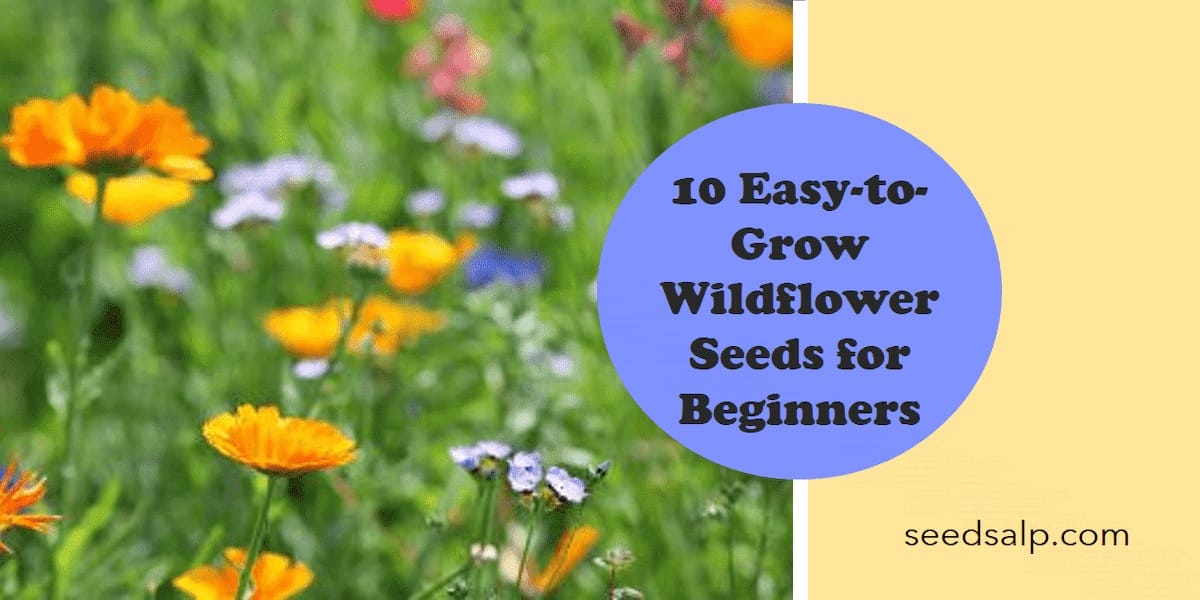
Easy to Grow Wildflower Seeds: Adding a splash of color and life to your garden is easy with these 10 easy-to-grow wildflower seeds. These seeds are perfect for beginners, as they are relatively low-maintenance and will provide you with beautiful blooms in no time.
Before you start planting, it’s important to choose a location with well-drained soil and full sun. Wildflowers are relatively drought-tolerant, but they will appreciate regular watering during dry periods. To plant wildflower seeds, simply scatter them over the soil and lightly rake them in. You can also mix the seeds with sand or peat moss to help them spread evenly.
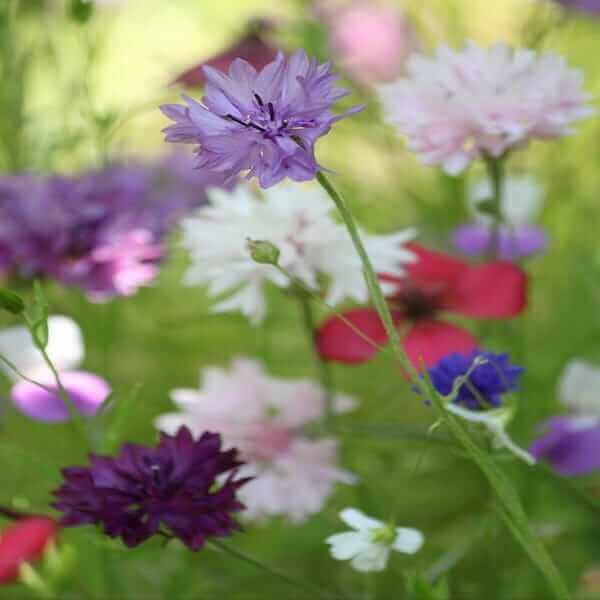
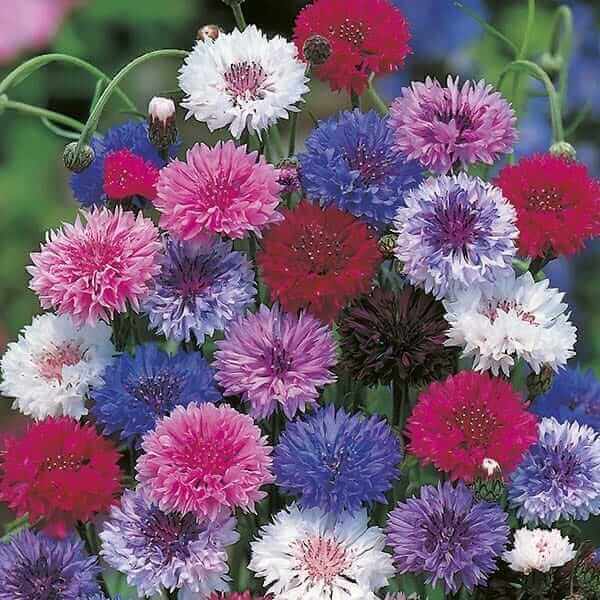
Bachelor’s Button: These cheerful flowers come in a variety of colors, including white, blue, pink, and red. Bachelor’s buttons are easy to grow from seed and will bloom in the first year.
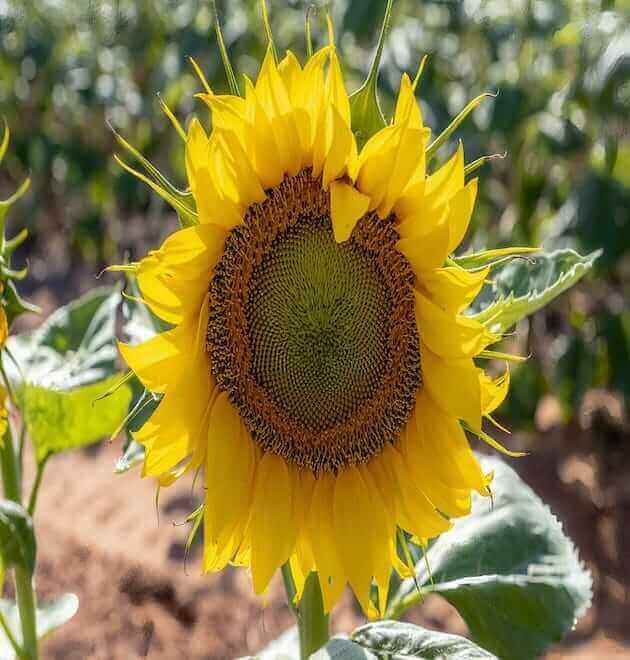
Sunflowers: Sunflowers are a cheerful and easy-to-grow wildflower that is sure to attract attention. They come in a variety of sizes and colors.
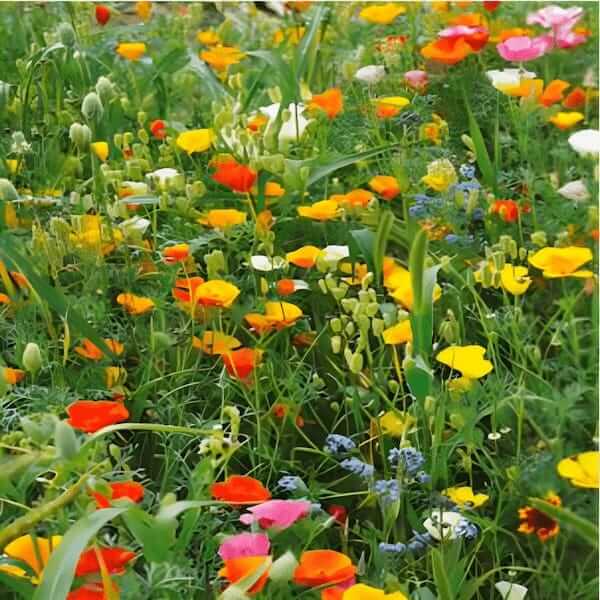
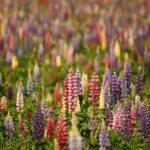
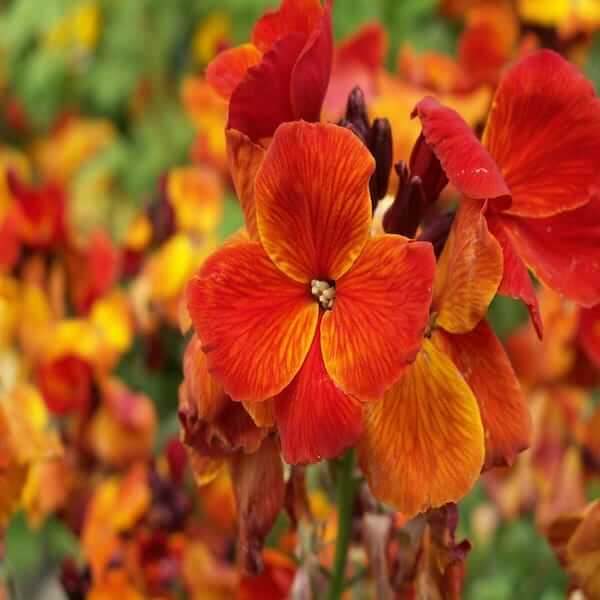
Mix Wildflower Seeds: These Mix Wildflower Seeds are a favorite among pollinators, and they come in a variety of colors, including yellow, orange, and red. Mix Wildflower Seeds are easy to grow from seed and will bloom in the first year.
Nasturtiums: Nasturtiums are a delightful and simple-to-grow wildflower that’s excellent for containers and hanging baskets. Their peppery flavor adds a tangy touch to your garden.
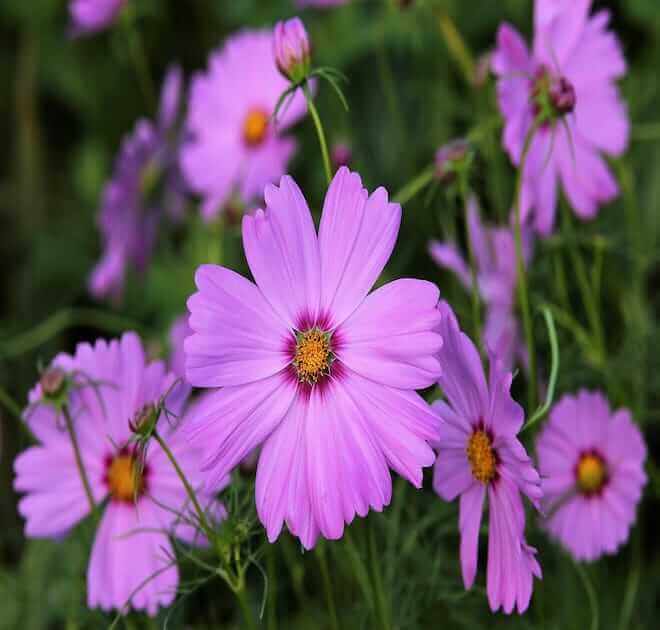
Cosmos: These cheerful daisy-like flowers come in a variety of colors, including white, pink, purple, and yellow. Cosmos are easy to grow from seed and will bloom in the first year.
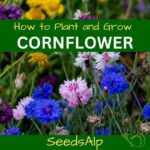
Cornflower: These tall, stately flowers come in a variety of colors, including purple, pink, red, white, blue. Cornflowers are easy to grow from seed and will bloom in the first year. These vibrant flowers are a classic choice for wildflower gardens. Cornflowers are easy to grow from seed and will bloom in the first year.
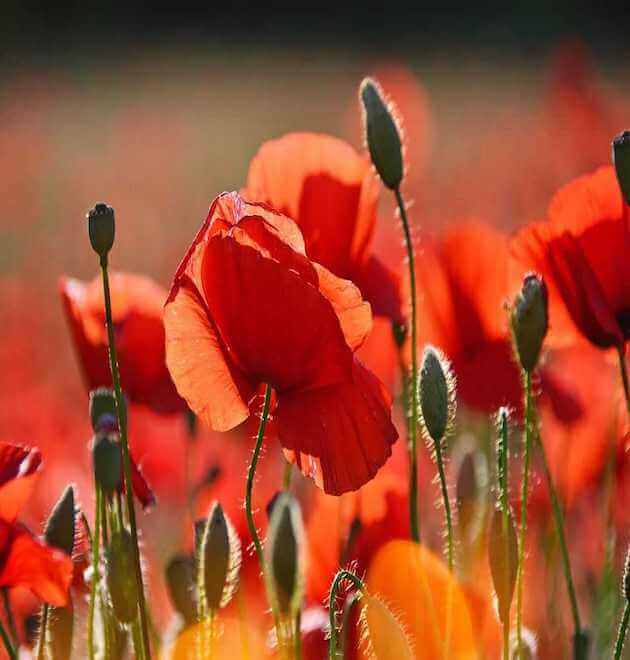
Poppies: Poppies are a classic wildflower that is easy to grow from seed. They come in a variety of colors, including red, white, and orange.
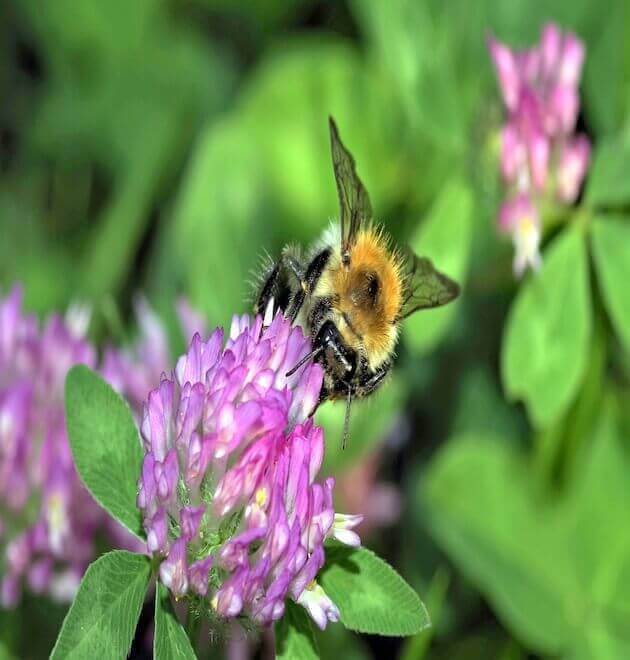
Red Clover: Red clover is a low-growing, bushy wildflower with delicate white or pink flowers. It is a nitrogen-fixing plant, which means it can add nitrogen to the soil, making it a good choice for gardens. Red clover is also a good source of protein for bees and other pollinators.
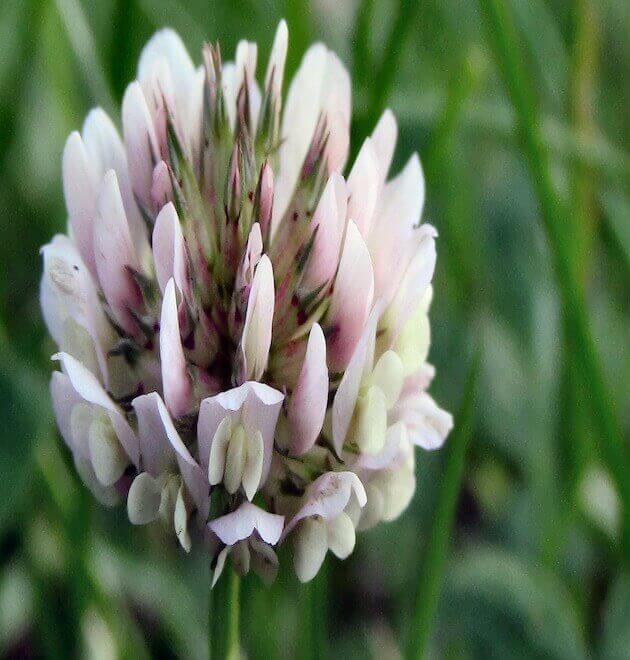
White Clover: White clover is similar to red clover, but it has white flowers. It is also a nitrogen-fixing plant and a good source of pollen for bees. White clover is a good choice for gardens that need to be mowed regularly, as it can tolerate frequent mowing.
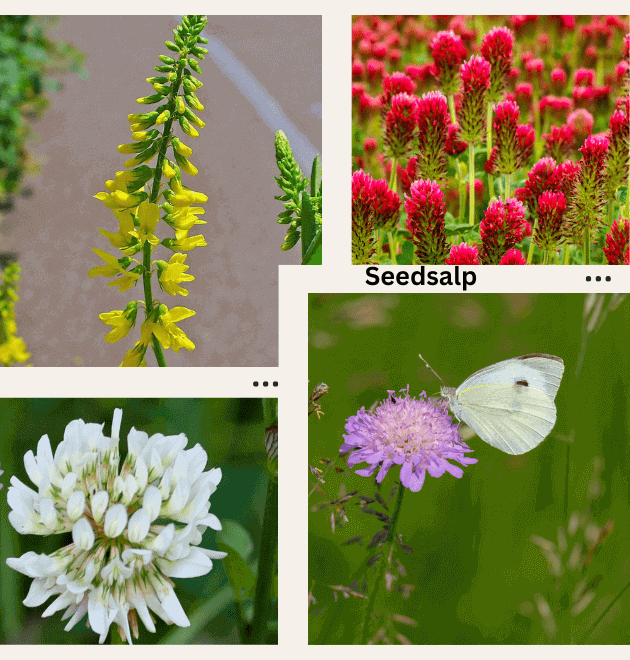
Mix Clover Red White: Mix clover red white is a blend of red and white clover seeds. It is a good choice for gardens that want the benefits of both red and white clover. Mix clover red white is also a good choice for pollinator gardens, as it can provide a variety of pollen and nectar for bees and other pollinators.
When planting wildflowers, it is important to choose a sunny location with well-drained soil. You can plant wildflower seeds directly into the ground or start them indoors and transplant them outdoors. Water the wildflowers regularly, especially during the first few weeks after planting. Once the wildflowers are established, they are relatively low-maintenance and will need little to no fertilizer.
Wildflowers are a beautiful and easy way to add color and life to your garden. They are also a great way to attract pollinators, such as butterflies and bees. If you are new to gardening, you can find easy-to-grow wildflower seeds at your local garden center or online.
I hope this blog post has helped you learn more about easy-to-grow wildflower seeds. If you have any questions, please feel free to leave a comment below.
Thank you for reading!
 Optimized by Seraphinite Accelerator