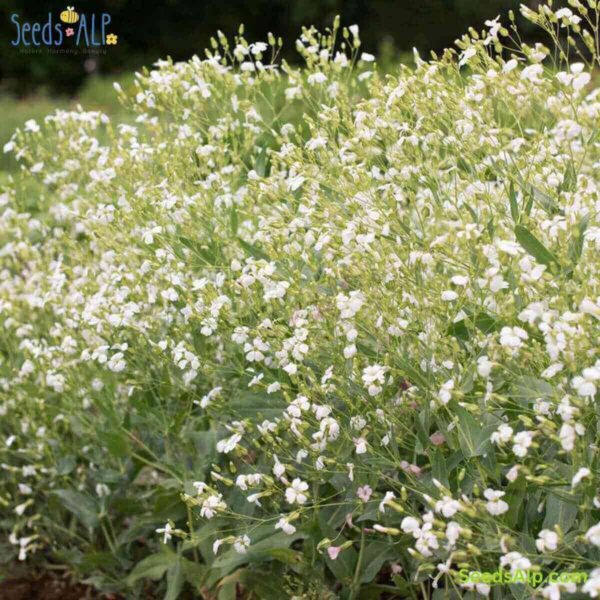
Saponaria Soapwort: Dreaming of a cottage garden filled with delicate white blooms? Look no further than Saponaria vaccaria ‘White Beauty’! This easy-to-grow annual (also known as Soapwort) produces a profusion of star-shaped, fragrant flowers that flutter in the summer breeze. Unlike its delicate cousin Baby’s Breath, White Beauty boasts sturdier stems, making it ideal for borders and cut flower arrangements.
Why Gardeners Love White Beauty Saponaria:
- Long-lasting Blooms: Enjoy a breathtaking display of white flowers from mid-summer to early fall. Saponaria Soapwort
- Fragrant Delight: The sweet, honey-like scent attracts butterflies, bees, and other pollinators, adding a touch of magic to your garden.
- Low-Maintenance: Thrives in well-drained soil and tolerates full sun to partial shade, making it perfect for busy gardeners.
- Naturalizes Easily: With proper care, White Beauty will self-sow and return year after year, creating a beautiful and effortless display.
- Attracts Beneficial Insects: The nectar-rich blooms provide a valuable food source for butterflies, bees, and other pollinators.
Planting Guide: Soapwort
- Hardiness Zones: Europa and UK
- Sow Indoors: 2 weeks before last frost for earlier blooms.
- Direct Sow: Sow seeds in early spring or fall in well-drained soil.
- Light: Full sun to partial shade
- Water: Water moderately, allowing soil to dry slightly between waterings.
Extra Information: Saponaria Soapwort
- Soil Preference: Thrives in well-drained loam soil; also tolerates light-textured infertile soil.
- Sowing Time: Plant seeds in spring or autumn.
- Germination: Expect germination in 14 to 30 days at temperatures of 15 to 20°C (59 to 68°F).
- Growing Period:
- Sowing to Germination: 4 to 8 weeks.
- Germination to Transplant: 4 to 6 weeks.
Bring elegance and fragrance to your garden this year with White Beauty Saponaria!
 Skip to content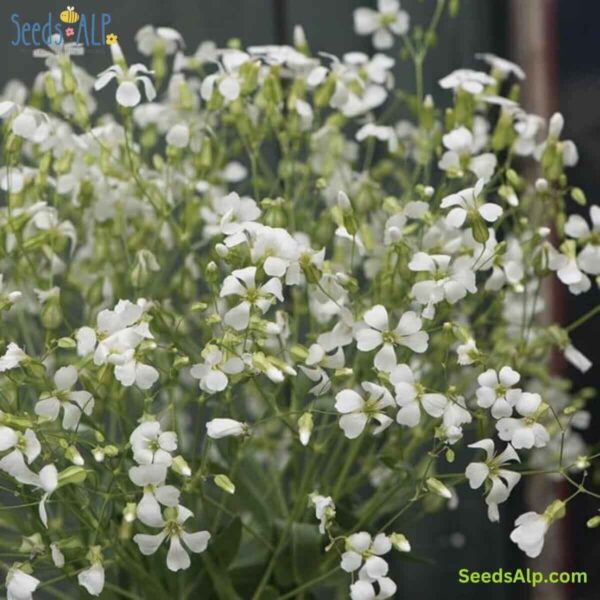


 Optimized by Seraphinite Accelerator







Reviews
There are no reviews yet.